Table of Content
Learn the location of your home’s water shut-off valve. If a pipe breaks, you’ll need to shut off the water to your house to minimize damage. In most single-family homes, the valve is in the basement or crawl space, on a wall facing the street. In any case, it is important to address the issue of a leaking water relief valve quickly before it causes further damage to your plumbing system. If the source of the leakage is somewhere else, such as the shower head or the pipes, then you will need to replace the pipe, fixtures or shower head accordingly. Finally, you should ensure that all fittings are secured properly before turning on the water once again.

If there is a leak or an issue with a pipe, it can cause water to enter your wall cavity and damage the wall. Finally, if water is left standing in the shower tray or around the bathtub and is not regularly cleaned, this can also lead to water damage and leakage behind the walls. To ensure a proper installation, it is best to hire a professional plumber to guarantee the shower head is properly secured and will not cause any water damage to the wall.
DIY Indoor Water Fountain
Outdoor wall fountains have been common features of planned gardens for centuries. They invite the subject to relax and simply take in the sounds and sights of the landscape, brushing off daily cares and troubles. DIY wall fountains can be as simple or complex as you desire but any variety has some simple characteristics that are the core of the project. Water features have traditionally been incorporated in gardens probably as long as planned cultivation has been around. Early waterfall and wall fountains were driven by gravity, but over time they were powered by pumps. By the 18th century, pump type outdoor wall fountains were the norm.
Additionally, the use of new and high-quality pipe fittings can help to minimize the risk of a leak. If you see any signs of damage, it’s time to replace the pipes. This can often be done without significant opening up of the wall. If the pipe is too damaged for a simple repair, however, you may need to hire a professional plumber to do the work. This can cause water to seep through and create leaks.
More Easy Home Decor Projects:
A few ways to determine if water is getting behind walls is to look for water marks, stains, bubbled or cupped paint, and soft spots where the wall meets the floor. Feel for dampness in the winter, as warmer air carries more moisture, and watch for condensation on windows. To address cracks, fill them in with a waterproof sealant product and then paint over with a protective coating. If needed, replace the damaged window seal or caulking around the window, and inspect the siding for any visible damage.
It is also important to inspect the valve body for any signs of corrosion or other damage. If there is damage, the valve body should be replaced as soon as possible. If the valve body is not damaged, it may be possible to replace only the seal and gasket. Therefore, it is important to review the specifics of your policy to determine any exclusions or limitations that may apply. If you are unsure what is and is not covered, we recommend contacting your insurance provider to discuss the specifics of your policy. Finally, you may wish to install an exterior drainage system or waterproofing membrane around the foundation walls.
Is a leaking shower covered by insurance?
This will help provide a barrier between the ground water and your home. You can add some stones to make it more attractive. You have to drill a hole at the bottom of the medium size jar too. Drill one hole in the bigger plastic bottle and the plastic jar.
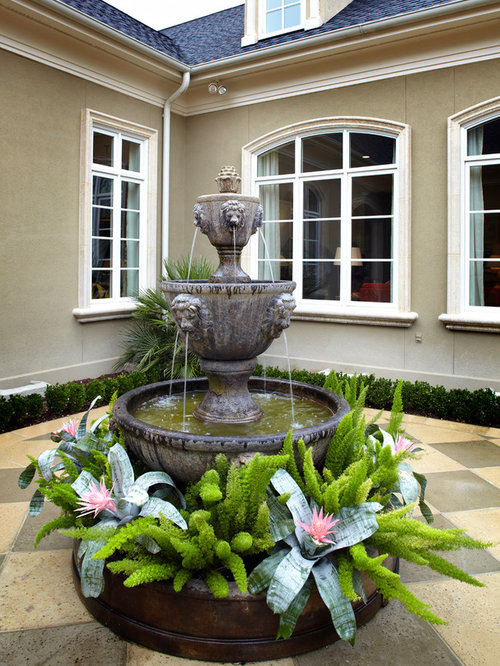
The mechanisms are practically noiseless to allow the sound of water to penetrate without distraction. As long as you have a reservoir or sump, power of some kind, and a pump, you can build a wall fountain. The pleasing burble or rush of water as it tumbles off a wall has a calming effect. This type of water feature takes some planning but is an interesting and rewarding project. A garden wall fountain enhances the outdoors and has sensory benefits.
DIY Tiered Blue Planters Fountain
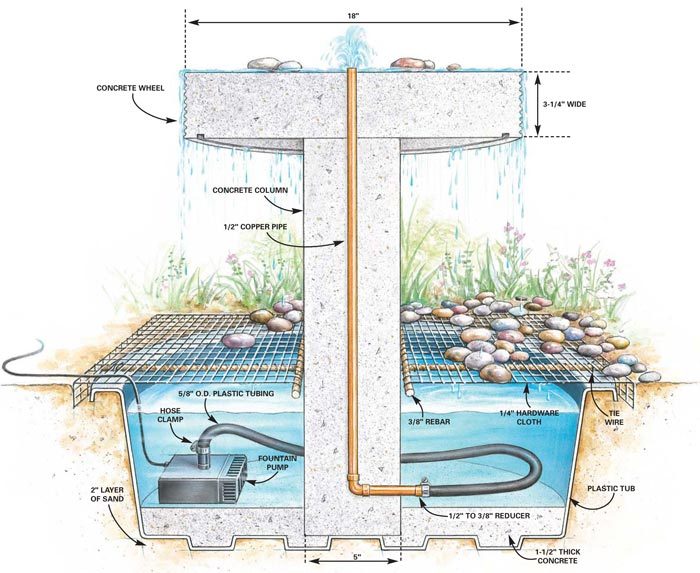
Some pumps have a dial that lets you control the water flow. You can also consider purchasing a remote control outlet switch instead of unplugging and plugging the fountain in each time you want to run it. You need enough water to fill the pump; if it is a submersible pump it can even cover the pump. Arrange the decorative rocks all around the bowl.
If you have an attached garage, keep its doors shut. Occasionally, plumbing is routed through this unheated space, leaving it vulnerable to winter's worst. Make sure everyone in your household knows how to shut off the water. If you suspect a pipe is already frozen, never try to thaw it with an open flame or torch. Use a hair dryer or heating pad to thaw a frozen pipe if accessible.
With the pump on the 14" saucer, attach the rubber tube to the pump and then then side it up through the hole at the bottom of the 6" pot . Arrange the pot so that the cord for the pump goes through one of the notches on the lip of the pot. Now place the 7" saucer on top, facing up. Trim the extra tube, leave about a 1/2", and then seal the edges around the tube with silicone. This hides the pump from view, and adds to the splashing sound. Patti is the creator of Hearth and Vine, a home and garden blog filled with projects to inspire your creative side. She loves crafting, gardening, decorating and entertaining at her home in Pennsylvania.
A second, black bucket serves as the drip, as that’s where the water comes through and ultimately falls onto the logs on the ground. Fountains are always gorgeous pieces to have if you’re lucky enough that your house features an outdoor area at the front or back. The hole size should be slightly larger than the outer diameter of the pipe that will be used for water pumping. Keep the area around the fountain clear of objects vulnerable to water damage.




No comments:
Post a Comment